
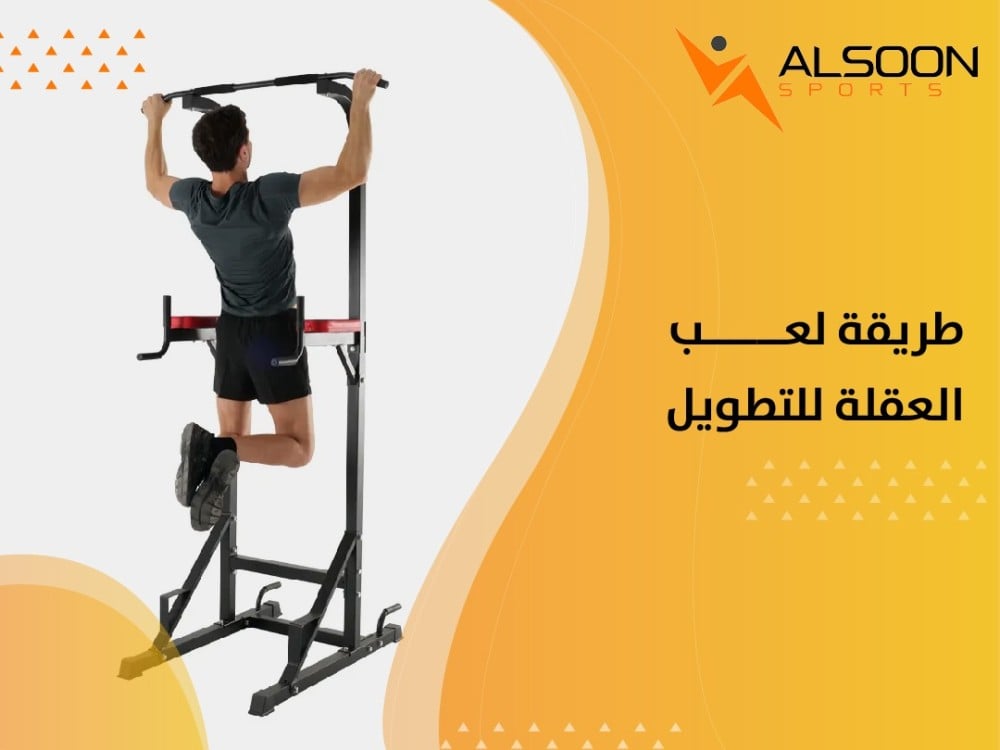
Are you tired of feeling short and wish to add a few inches to your stature? Height has always been a concern for both men and women and while there's no magic pill for instant growth, there are exercises that can help you reach your height potential. One such exercise is the "pull-up," known for its ability to strengthen arm muscles and potentially add inches to your height. However, it's crucial to perform pull-ups correctly and avoid common mistakes to prevent any risk of injury.
How to play Pull-up exercise to lengthen
The performance of exercises in gyms has always been associated with achieving fruitful results as desired, especially exercises like the parallel bar dip, which targets strengthening the arm muscles and increasing height. However, the Alsoon store offers you a high-quality parallel bar dip station.
The station helps you overcome many of the problems you face, supporting weights of up to 150 kg, and it's easy to assemble and coordinate at home for practicing various exercises without being limited to the dip due to its comfortable design and adjustable nature. You can even follow a method for elongating on the dip station by following the following steps:
- Setting Up Your Pull-Up Station: Place the pull-up bar in a suitable corner of the room, away from furniture or any obstacles that might interfere with your movements. Adjust the bar to a height that allows your body to hang freely without touching the ground.
- Grip and Positioning: Grab the bar with an overhand grip, hands shoulder-width apart, ensuring a firm but comfortable grip. Keep your thumbs wrapped around the bar for stability. Hang from the bar with your arms fully extended, elbows straight.
- Initiating the Pull-Up: Begin the pull-up by exhaling and pulling your body upward in a controlled motion. Focus on engaging your back and arm muscles while keeping your core tight. Aim to bring your chin above the bar while maintaining proper form.
- The Descent: Lower your body back down slowly and with control, inhaling as you descend. Avoid swinging or using momentum to lift yourself back up, as this can compromise the effectiveness of the exercise and increase the risk of injury.
- Repeat and Rest: Aim for multiple repetitions of the pull-up, ensuring each one is performed with the correct form. Take short breaks between sets to allow your muscles to recover.
Common Mistakes to Avoid During Pull-Ups
Even if you're familiar with the pull-up exercise, it's easy to fall into bad habits that can hinder your progress. Here are some common mistakes to avoid:
- Wide Grip: Avoid gripping the bar too wide, as this can strain your shoulders excessively and limit your range of motion. Opt for a grip that is shoulder-width apart for optimal results.
- Leg Flailing: Keep your legs steady and avoid swinging them during the exercise. Focus on using your upper body strength to lift yourself up rather than relying on momentum from your legs.
- Incorrect Grip: Ensure you're gripping the bar correctly, with your thumbs wrapped around for stability. Avoid gripping the bar too tightly, as this can lead to fatigue and discomfort.
- Incomplete Range of Motion: Aim to perform each pull-up through a full range of motion, with your chin clearing the bar at the top of the movement. Avoid cutting corners by only partially completing the exercise.
- Jumping to the Bar: Resist the urge to jump up at the start of each repetition. Instead, focus on controlled movements and a smooth ascent to maximize the benefits of the exercise.
Effective Tips for Pull-Up Performance
To make the most of your pull-up workouts and optimize your height gain potential, consider the following tips:
- Consistency is Key: Incorporate pull-ups into your daily exercise routine, aiming for at least 30 minutes to an hour of practice daily. Gradually increase the number of repetitions as you build strength and endurance.
- Utilize Assisted Pull-Up Machines: If you're struggling with pull-ups, consider using assisted pull-up machines to help you gradually build strength. These machines provide support to help you perform the exercise in the proper form.
- Incorporate Negative Pull-Ups: Start by focusing on the lowering phase of the pull-up, the eccentric phase. Slowly lower yourself from the bar, focusing on controlling the movement to build strength.
- Seek Professional Guidance: If you need clarification on your form or are experiencing difficulty with pull-ups, feel free to seek guidance from a fitness trainer or physical therapist. They can provide personalized feedback and assistance to help you improve your technique.
- Listen to Your Body: Pay attention to how your body responds to pull-up training and prioritize rest and recovery as needed. If you experience any pain or discomfort, take a break and consult a healthcare professional if necessary.

By following these guidelines and avoiding common mistakes, you can harness the full potential of pull-ups to enhance your height and overall physical fitness. Remember, consistency and proper technique are key to achieving lasting results.