
Living with daily pressures and physical ailments can take a toll on the human body. Whether strenuous work, worries, or other stressors, they all negatively impact physical health, manifesting in various problems, from backaches to leg pains. However, it is essential to embrace a healthy lifestyle by consuming nutritious foods that supply the body with all its needs and engaging in beneficial physical exercises that engage and strengthen muscles. One such exercise is the pull-up, renowned for its myriad benefits to the body. This article delves into my experience with pull-up exercises, the correct execution techniques, tips for improvement, and common mistakes to avoid.
My experience with Pull-up exercise
My experience with Pull-up exercise For years, I struggled with excess weight and back and leg pains due to extensive movement, work commitments, and pressure on the upper muscles. Determined to alleviate back pains and gain additional height, I ventured into physical exercises. Consulting with my physician to ensure it was suitable for my condition, I discovered that pull-up exercises, in particular, could help alleviate back pain and potentially increase height. However, it was emphasized that pull-ups might not be entirely safe for obese individuals and could vary depending on individual cases, including those experiencing severe back, neck, wrist, or shoulder pain.
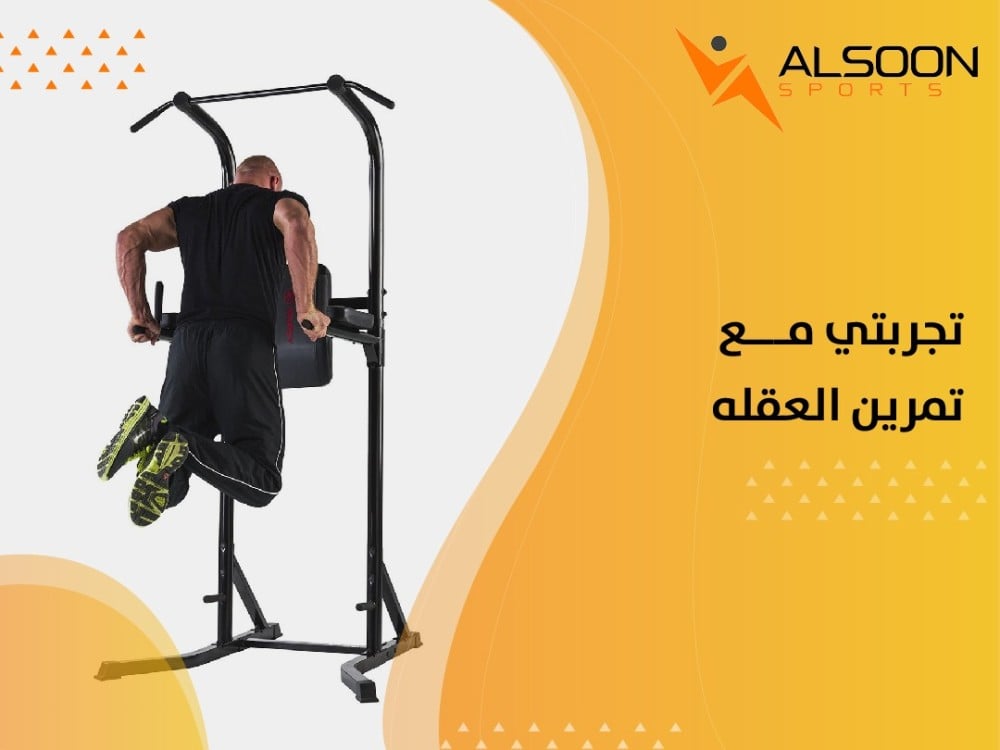
My condition allowed me to proceed with the exercises, so I acquired a parallel pull-up station from a reputable store. This station, purchased at Alsoon Store, stood out for its reasonable price and high quality, making it convenient for home use. Following my physician's advice, I incorporated pull-up exercises into my routine every 48 hours to allow ample rest for the upper muscle, aiding in its strength and size. Not only did it help alleviate my back pain, but it also contributed significantly to my height increase. My experience with pull-up exercises was fruitful and fulfilling, prompting me to recommend them to many young individuals facing similar challenges.
Proper Execution of Pull-Up Exercise
As highlighted in my experience, improper execution of pull-up exercises can lead to significant injuries. Therefore, it's crucial to perform them correctly and avoid mistakes, ideally under the supervision of a trainer who can assist in quick learning. The correct steps include:
- Proper Grip: Stand below the centre of the bar, gripping it straight with fingers well-wrapped around it, ensuring the thumb is beneath the bar. It's essential to maintain pressure and grip properly.
- Maintain Distance: Ensure adequate distance between your hands, slightly wider than shoulder-width apart.
- Engage Shoulders: Press the shoulders downward before starting the movement, then pull the shoulder blades together as you lift yourself.
- Pull-Up: Pull yourself upward, maintaining proper form and lifting the chest slightly while relying on the arms to raise the body until the bar reaches chest level.
- Controlled Descent: Lower yourself gradually, controlling the descent to avoid injuries, and repeat the exercise with the designated repetitions at a steady pace.
Guidelines for Improving Pull-Up Performance
Pull-up exercises offer numerous health benefits, but maximizing those benefits requires adherence to specific guidelines. Based on my successful experience, here are some guidelines for optimizing pull-up performance:
- Negative Pull-Ups: Initiate the exercise with negative pull-ups, starting from the top position and slowly descending, allowing the body to become accustomed to the correct movement.
- Jumping to the Bar: Align the chin with the bar's level, then jump up to grab the bar and execute the pull-up, focusing on controlled movements during the descent.
- Seek Assistance: Initially, seeking assistance from a partner or using resistance bands to support the body weight can aid in mastering the exercise and ensuring proper form until proficiency is achieved.
Common Mistakes to Avoid in Pull-Up Exercises
While my journey with pull-up exercises was successful due to consistent physician consultations and supervised training, many individuals have faced severe setbacks and injuries due to common mistakes during practice, whether at the gym or at home. These mistakes include:
- Wide Grip: Avoid widening the grip excessively, as it impedes proper execution and movement.
- Neck Strain: Refrain from relying on neck strain to surpass the designated level. This can lead to neck and shoulder injuries.
- Rapid Movements: Pull-up exercises demand precision and control; therefore, avoid performing them rapidly, as it compromises the exercise's quality and may lead to injury.
- Ignoring Proper Level Reach: Focus on reaching the designated level beyond the bar with each repetition rather than excessive repetitions.
- Lack of Medical Consultation: Pull-up exercises can be detrimental in certain underlying health conditions, necessitating medical consultation to ensure safety.

In conclusion, pull-up exercises offer exceptional benefits for strengthening upper body muscles, increasing height, and alleviating debilitating pains that hinder daily tasks. However, alongside its numerous benefits come risks that must be mitigated through correct execution and expert guidance from physicians and trainers. By adhering to proper techniques, seeking guidance, and avoiding common mistakes, individuals can harness the full potential of pull-up exercises while ensuring their safety and well-being.