
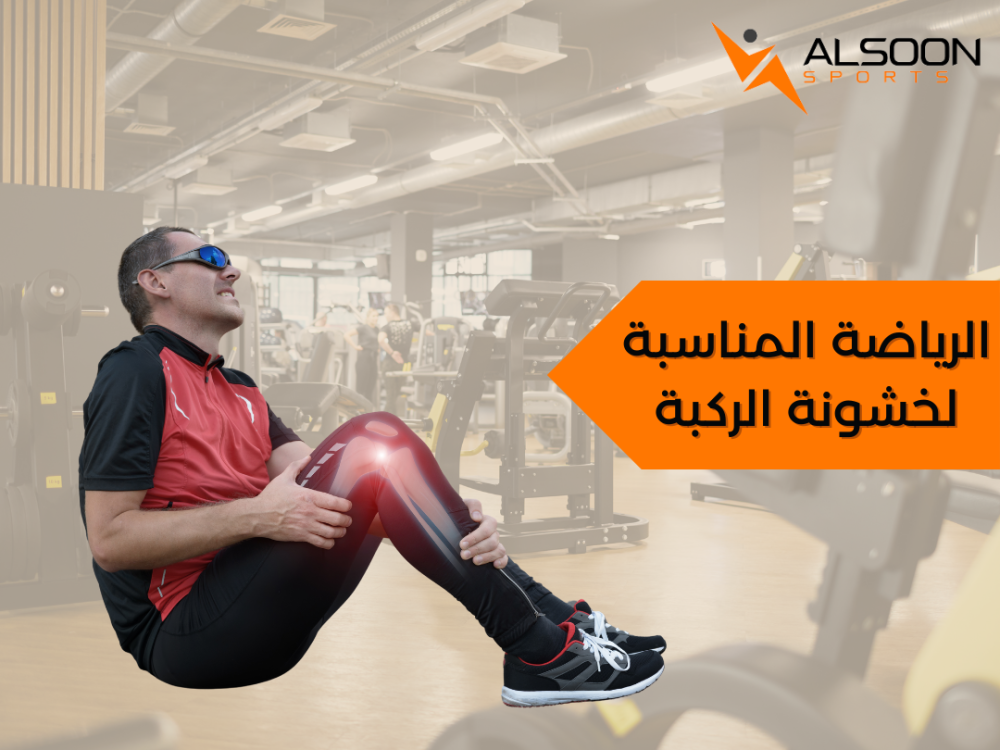
Practicing the right exercises for knee osteoarthritis can help alleviate the pain caused by every movement, in addition to the general benefits gained from exercising, such as strengthening muscles and improving overall performance. However, unsuitable exercises may cause severe damage.
Suitable Exercises for Knee Osteoarthritis
In most cases, exercise is the solution to overcoming many health challenges, either as a primary or supportive method. However, it is crucial to choose the right types of exercises for your body's health condition, especially when dealing with conditions like arthritis, which commonly affects the knees.
In short, the appropriate exercise for knee osteoarthritis is one that avoids causing pain during practice. Having osteoarthritis does not mean you have to be sedentary; it only limits the range of exercises you can perform.
- Cycling: Cycling can be a very suitable solution for many people with knee problems, even if they have significant difficulty walking. Using a stationary bike at home can be beneficial without the need to leave the house.
- Water Exercises: Water exercises help relieve pressure on the joints, providing more comfort with relative pain relief in the knees.
- Yoga and Pilates: These may not be traditional sports in the usual sense, but they still offer a way to get some physical activity.
- Modified Regular Exercises: In cases of knee osteoarthritis, regular exercises can be adjusted. For example, replace long walks with a few steps followed by a short rest, then a few more steps. A foldable treadmill can be useful to practice walking at any time that suits the patient.
Suitable Exercises for Knee Arthritis
Exercises do not have to be intense or require significant physical effort. Any activity that improves fitness without causing harm is recommended. For knee osteoarthritis, the following exercises can be practiced:
- Leg Stretching Exercises
- Lie on your back and bend your legs, bringing your knees close to your chest.
- Raise one foot, placing your hands behind the thigh, and stretch the leg upward.
- Pull the foot towards the head, keeping the leg straight, and hold the position for a few seconds.
- Slowly bend the leg back to its original position and repeat with the other leg.
- Leg Raises
- Lie on your back with legs straight.
- Slowly raise one leg off the ground and hold for a few seconds.
- Slowly lower the leg back down and repeat with the other leg.
- Gluteus Muscle Strengthening Exercises
- Lie on your stomach with a pillow under your hips.
- Raise one leg straight up and hold the position for a few seconds.
- Slowly lower the leg back down and repeat with the other leg.
- Hip Exercises
- Sit on a chair with your back straight.
- Move one leg slightly backward, keeping the toes on the ground.
- Lift the other leg off the ground while keeping it bent, and hold for a few seconds.
- Lower the leg back down slowly and repeat with the other leg.
- Sitting and Standing Exercises
- Sit on a chair without using your hands for support.
- Stand up and sit down again slowly to avoid putting pressure on the joints.
- Take a break for a minute or two, then repeat the exercise several times.
- Leg Strengthening Exercises
- Sit on a table, bed, or chair.
- Cross your ankles over each other.
- Push the legs in opposite directions (front leg back and back leg forward) until you feel the thigh muscles tense, holding this position for as long as possible.
- Relax for a minute, then repeat the exercise twice more, switching legs and repeating again.
Useful Tips for Managing Knee Osteoarthritis
Contrary to what might be expected, doctors do not recommend long periods of rest for knee osteoarthritis. Excessive rest can exacerbate symptoms, while safe exercise improves knee condition and reduces pain.
- Weight Loss: Losing some weight can help reduce the severity of pain caused by movement, as excess weight puts significant strain on the joints and cartilage, leading to serious complications in arthritis cases.
- Assistive Walking Devices: Using aids for walking can be very important, especially if it helps give your knee joints a break and improves their condition, without prolonged continuous walking.
- Correct Sitting Posture: Proper sitting positions can alleviate knee pain. Positions that reduce joint pressure, such as crossing the legs, with a straight back against the chair, should be adopted.

Practicing suitable exercises for knee osteoarthritis and following appropriate practices can significantly reduce the exacerbation of symptoms and provide faster response to treatment methods.