
The Difference Between Strength Training and Cardio: Which Is Better for Fat Loss?
In the world of fitness and health, many people repeatedly ask an important question: what is the difference between strength training and cardio, and which is better for burning fat?
There is no one-size-fits-all answer. Each type offers unique benefits, and the best fat-loss results usually come from combining both intelligently, supported by proper nutrition.
Effective training requires reliable equipment that lasts and makes workouts easier. Alson Store is a distinguished choice in Saudi Arabia for high-quality fitness machines and sports equipment, offering professional support and services to help you reach your goals safely and efficiently.
Best Cardio and Strength Equipment from Alson Store in Saudi Arabia
Before discussing the difference between strength training and cardio, it’s worth noting that Alson Store provides a wide range of high-quality cardio and resistance equipment, including:
1. Sole Fitness B94 Upright Bike
The Sole Fitness B94 features a compact, lightweight, and durable design ideal for home use. It includes a built-in tablet holder for entertainment or workout tracking and a 9-inch LCD screen with fat-burning and effective cardio programs. Prices start at 5,395.
2. Axox Fitness Resistance Band | Multi-Size
The Axox Fitness Resistance Band is made from 100% premium latex for durability and flexibility, ensuring long-lasting performance and excellent elasticity. Price: 229.
3. Body Solid Endurance R300 Commercial Rowing Machine
The Body Solid Endurance R300 offers adjustable air resistance for customized intensity, ultra-quiet operation, and an interactive display compatible with Polar and 8 workout programs. Price: 5,495.
What Is Cardio and What Are Its Benefits?
Before exploring the difference between strength training and cardio, it’s important to understand that cardio (aerobic exercise) includes activities that raise your heart rate for moderate to extended periods — such as running, brisk walking, cycling, swimming, or using machines like treadmills, stationary bikes, or vibration platforms.
Key Benefits of Cardio:
- Immediate calorie burning: The body expends significant energy during the workout, contributing to a calorie deficit.
- Improved cardiovascular health: Enhances heart and lung efficiency.
- Mental benefits: Reduces stress and improves mood for many individuals.
- Better endurance and daily performance.
What Is Strength Training and What Are Its Benefits?
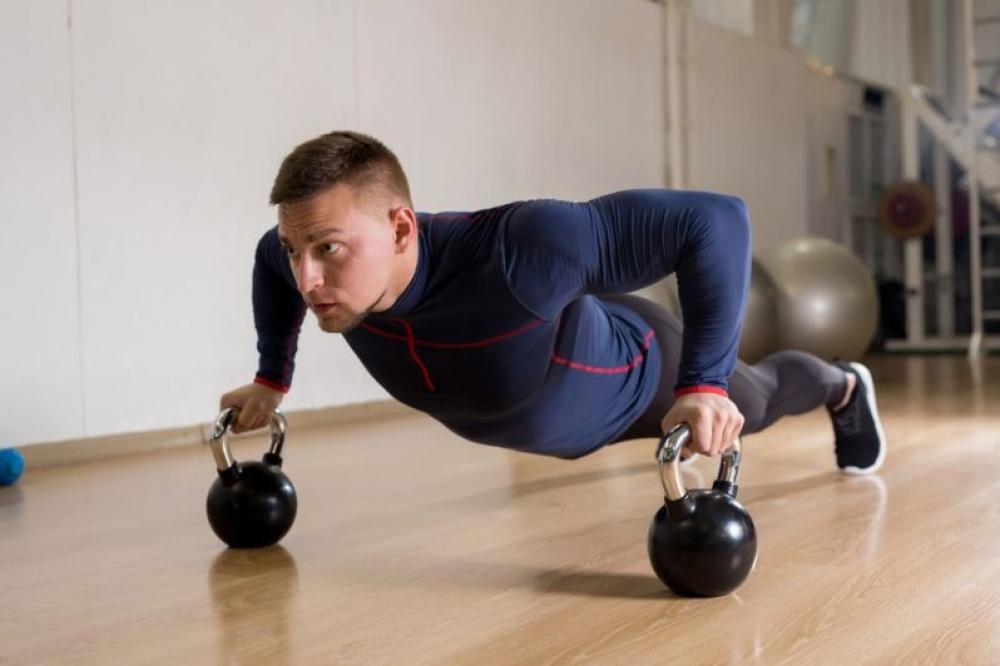
When comparing strength training and cardio, strength training (resistance training) involves lifting weights, using free weights, cable machines, or even bodyweight exercises such as squats, push-ups, and planks.
Benefits of Strength Training:
- Increased muscle mass: Muscle burns more calories at rest compared to fat.
- Improved strength and functionality: Makes daily tasks easier and reduces injury risk.
- Body sculpting and shaping: Enhances physique and promotes a leaner appearance when losing fat.
- Post-workout calorie burn: The EPOC (afterburn effect) allows the body to burn extra calories after the session.
Strength Training vs. Cardio – Which Is Better?
The common question about the difference between strength training and cardio — which is better? — depends on your goals, timeframe, health condition, and personal preference. Let’s break down the scenarios:
1. If Your Goal Is Fast Weight Loss (Short-Term)
- Cardio (especially high-intensity interval training — HIIT) burns a high number of calories in a short time.
- However, relying only on cardio without strength training may lead to muscle loss over time if nutrition does not support muscle preservation.
2. If Your Goal Is Body Recomposition and Long-Term Metabolism Boost
- Strength training is essential.
- Building muscle increases resting metabolic rate.
Over the medium to long term, resistance training is more effective for maintaining fat loss and improving body composition.
3. The Best Approach: Combine Cardio and Strength
Research and practical experience confirm that a balanced program combining regular cardio sessions with strength workouts delivers the best results:
- Fat loss
- Muscle preservation
- Improved overall health
For example: 2–3 strength sessions per week with 2–4 cardio sessions (including one HIIT session) is a common and effective split.
How to Structure a Simple Weekly Fat-Loss Plan
After understanding the difference between strength training and cardio, here’s a practical plan for beginners/intermediates:
- Monday: Full-body strength training (Squats, Deadlifts/Rows, Press, Pull-ups) – 45–60 minutes
- Tuesday: Moderate cardio (light jogging or cycling) – 30–45 minutes
- Wednesday: Rest or flexibility/yoga
- Thursday: Strength training — upper body focus or supersets – 45 minutes
- Friday: HIIT (interval running, cycling, or jump rope) – 20–25 minutes
- Saturday: Light resistance + core/endurance training – 45 minutes
- Sunday: Light long walk or active recovery
Important Reminder: Progressive overload, adequate rest, and proper nutrition are key to success.
Frequently Asked Questions
1. What Is the Main Difference Between Strength Training and Cardio?
- Cardio focuses on elevating heart rate continuously (like running or cycling) to improve heart health and burn calories during exercise.
- Strength training focuses on building muscle using weights or bodyweight, increasing muscle mass and boosting metabolism even after exercise.
2. What Is the Difference in Calorie Burning?
- Cardio typically burns more calories during the workout itself.
- Strength training may burn additional calories after exercise due to the EPOC effect and its long-term impact on metabolism.
3. Quick Nutrition Tips to Support Fat Loss
- Avoid extreme crash diets; follow a sustainable balanced plan.
- Stay hydrated, get quality sleep, and reduce stress.
- Consume adequate protein (1.6–2.2 g per kg of body weight daily) to support muscle repair.
- Maintain a moderate calorie deficit (around 300–500 calories below maintenance) to avoid muscle loss.
Start Your Fitness Journey Today with Alson Store – Your Fitness Deserves the Best!
Don’t delay your health goals any longer. At Alson Store, we provide top-quality elliptical machines, rowing machines, stationary bikes, and complete home fitness solutions at competitive prices across Saudi Arabia.
Whether you’re looking for rowing machine benefits, a stationary bike, or a complete home gym setup, you’ll find everything you need to start real change from home.
Invest in your health today and enjoy reliable warranties and professional service. Our team is ready to help you choose the right equipment — contact us via WhatsApp for instant consultation and exclusive offers today!