
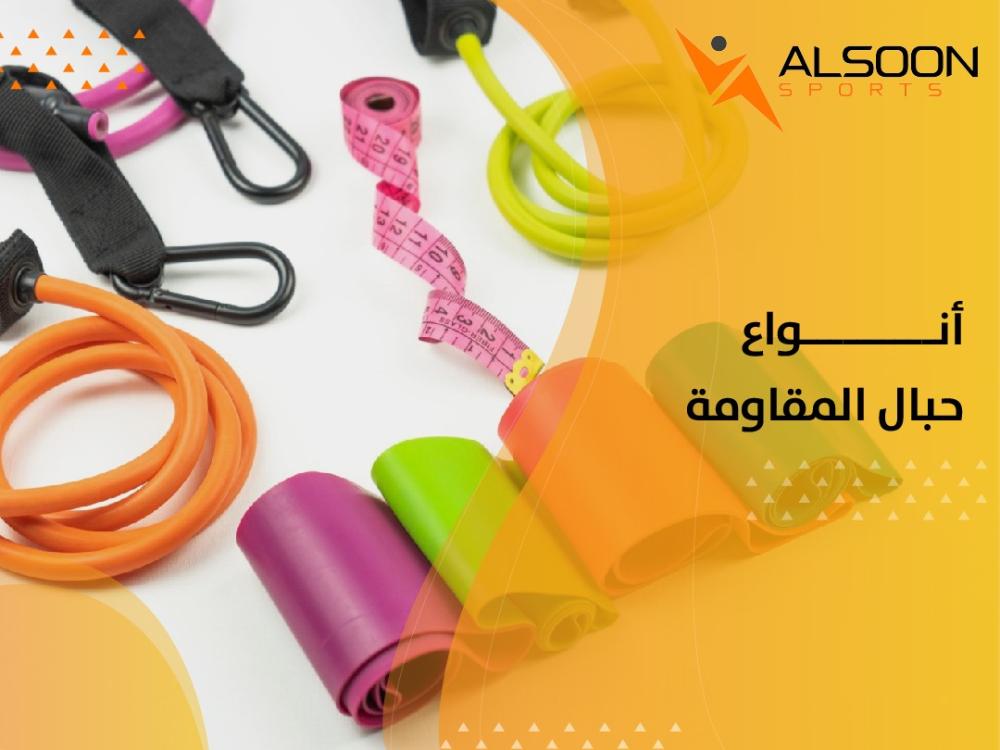
Resistance band workouts have become increasingly popular for achieving weight loss goals or building strong muscle mass. These exercises offer exceptional results in a relatively short period, making them a favorite among fitness enthusiasts. With various types of resistance bands available, you can easily incorporate them into your home workouts without the need for a personal trainer. Among these, jumping rope stands out as an effective option. However, each type of resistance band comes with its own set of advantages and disadvantages, which you must fully understand to select the best fit for your needs.
Flat Bands: Targeting Lower Body Strength
Flat bands are characterized by their thinness and typically measure around 120 cm in length. They are ideal for targeting lower body muscles and ankles, making them a preferred choice for women, pregnant individuals, and beginners in jump rope exercises.
Handle Bands: Durability and Intensity
Handle bands are the most robust type, made of durable latex rubber with textured handles for a secure grip. They come in various resistance levels, each color-coded to meet different fitness needs. These bands are suitable for a wide range of exercises, providing excellent grip and performance.
Mini Bands: Versatility in Compact Size
Despite their small size, mini bands offer high-quality resistance, aiding in improved exercise performance and faster fitness progress. They are commonly used in yoga exercises and for strengthening core, ankle, and glute muscles. Their compact size makes them convenient for carrying in a bag while traveling.
Clip Bands: Multi-Purpose Functionality
Clip bands resemble handle bands but feature additional ankle clips for added versatility. Made from natural latex rubber, they offer multiple usage options and are suitable for various resistance exercises, ensuring optimal results.
Choosing the Right Resistance Bands
Selecting the right resistance bands can be overwhelming due to the variety of options available. However, considering the following tips can simplify the process:
Band Color: Reflecting Resistance Level
Resistance bands come in different colors, indicating their level of resistance. Lighter-colored bands offer less resistance, while darker colors signify higher resistance levels. Choose according to your strength and workout intensity requirements.
Intended Use: Single or Multi-Purpose
Some individuals prefer resistance bands for specific exercises, while others seek versatility for a range of workouts like yoga and resistance training. If you aim for multiple uses, opt for bands with large loops for added flexibility.
Available Space: Tailoring Band Size to Your Environment
Consider the space available for your workouts when selecting resistance bands. If space is limited, opt for compact bands like mini bands. Otherwise, larger spaces accommodate a variety of band sizes.
Comfort: Prioritizing Wrist Support
Ensure your comfort during workouts by selecting bands with comfortable handles that minimize wrist strain. Investing in bands with ergonomic handles can significantly enhance your exercise experience and prevent discomfort.

By incorporating resistance bands into your fitness routine, you can achieve your desired goals, whether it's weight loss or muscle building, without the need for gym memberships or bulky equipment. Choose the right type of resistance bands based on your preferences and fitness objectives, and embark on a journey to a healthier, stronger you.