
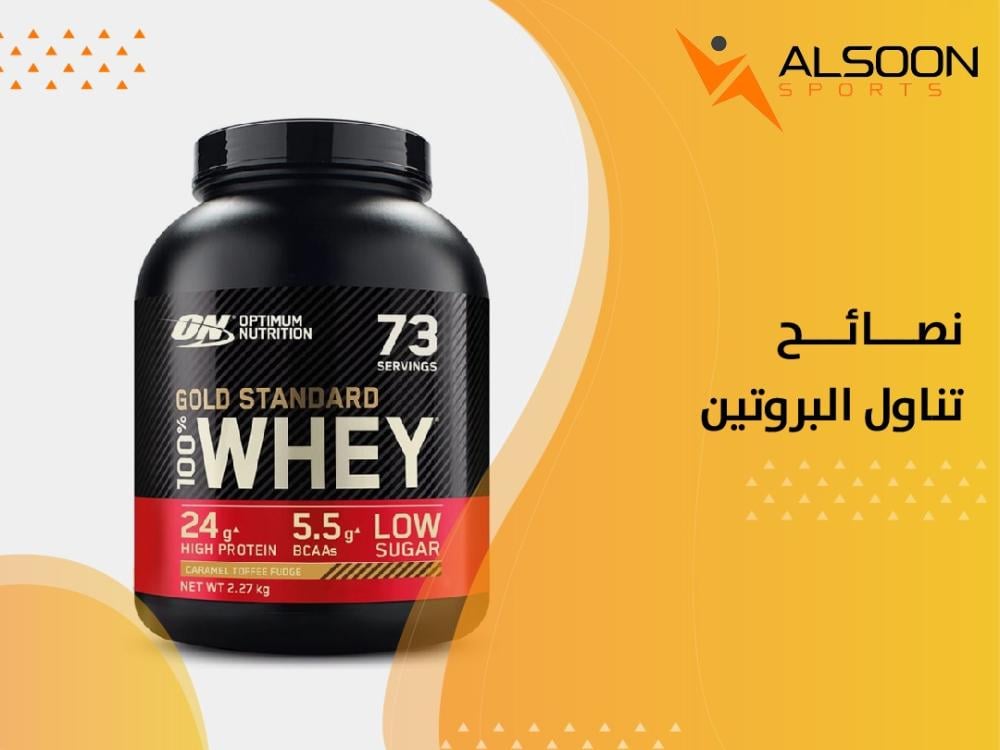
Protein intake is crucial for building lean muscle and achieving fitness goals. Fitness enthusiasts understand the importance of protein due to its numerous benefits in improving physical health, aiding in weight loss, and promoting muscle growth. However, knowing the best time to consume protein can maximize its benefits. Here, we provide insights into the optimal times to consume protein to reap its full benefits.
Benefits of Protein Intake and Optimal Timing
Protein is one of the essential nutrients consumed by athletes and bodybuilders to enhance their physical health, maintain a healthy body composition, and develop strong muscles. To achieve your fitness goals effectively, it's essential to follow protein intake guidelines and consume it at the right times.
Early Morning
After having breakfast, consuming protein powder can aid in muscle hypertrophy and better weight loss. It provides a sense of satiety, reducing food intake over time.
Pre-Workout
Taking protein before exercise, around half an hour prior, provides the body with extra energy to complete the workout effectively. Fast-digesting proteins like whey can improve exercise performance and endurance for muscle building.
Post-Workout
Within half an hour after exercise, the body's muscles become more receptive to nutrients, reducing workout fatigue and promoting muscle recovery and growth when consistently incorporated.
Before Bedtime
Consuming protein an hour or two before sleep supports muscle maintenance and growth, preventing muscle soreness and enhancing overall muscle health during the overnight fasting period.
Protein Intake Tips
Protein offers numerous benefits to the body, including maintaining a healthy immune system, promoting muscle growth, and enhancing muscle mass. However, random protein consumption won't yield optimal results. Follow these protein intake tips alongside choosing the appropriate timing based on your fitness goals:
- Consultation: Before starting protein supplements, consult a physician or nutritionist.
- Quality Matters: Research and select high-quality protein supplements.
- Consistency: Stick to a consistent protein intake schedule to achieve optimal results.
- Moderation: Consume one protein dose daily as recommended.
- Expert Advice: Seek guidance from fitness experts or nutritionists if unsure about the suitable timing for protein intake.
- Balanced Diet: Maintain a healthy diet alongside protein supplements to boost overall health and fitness levels.
- Adjustment: Increase protein intake gradually if physical activity levels rise, under the guidance of a healthcare professional.
- Reliable Sources: Purchase protein supplements from reputable sources with positive reviews.
- Exercise Regimen: Regular exercise is crucial for optimal results. Consider setting up a home gym with high-quality equipment from reputable stores like Alsoon to ensure effective workouts.
- Timing Precision: Avoid consuming protein immediately before or after workouts, and adhere strictly to the recommended timing for desired results.

Recommended Protein Intake
Protein requirements vary based on individual factors such as weight, fitness goals, and activity levels. Here's a breakdown of recommended protein intake based on different categories:
- Recreational Activities: Consume between 1.1 to 1.4 grams of protein per kilogram of body weight.
- Competitive Athletes: Aim for intake between 1.2 to 1.4 grams per kilogram of body weight.
- Endurance Athletes: Consume 2 grams of protein per kilogram of body weight.
- Muscle Mass Building: Consume between 1.5 to 2 grams of protein per kilogram of body weight.
In conclusion, protein intake is essential for enhancing physical fitness, promoting muscle growth, and achieving a lean and attractive physique. However, following complete protein intake guidelines and optimal timing is crucial to maximize benefits and achieve satisfactory results without adverse effects on bone health or kidney function.